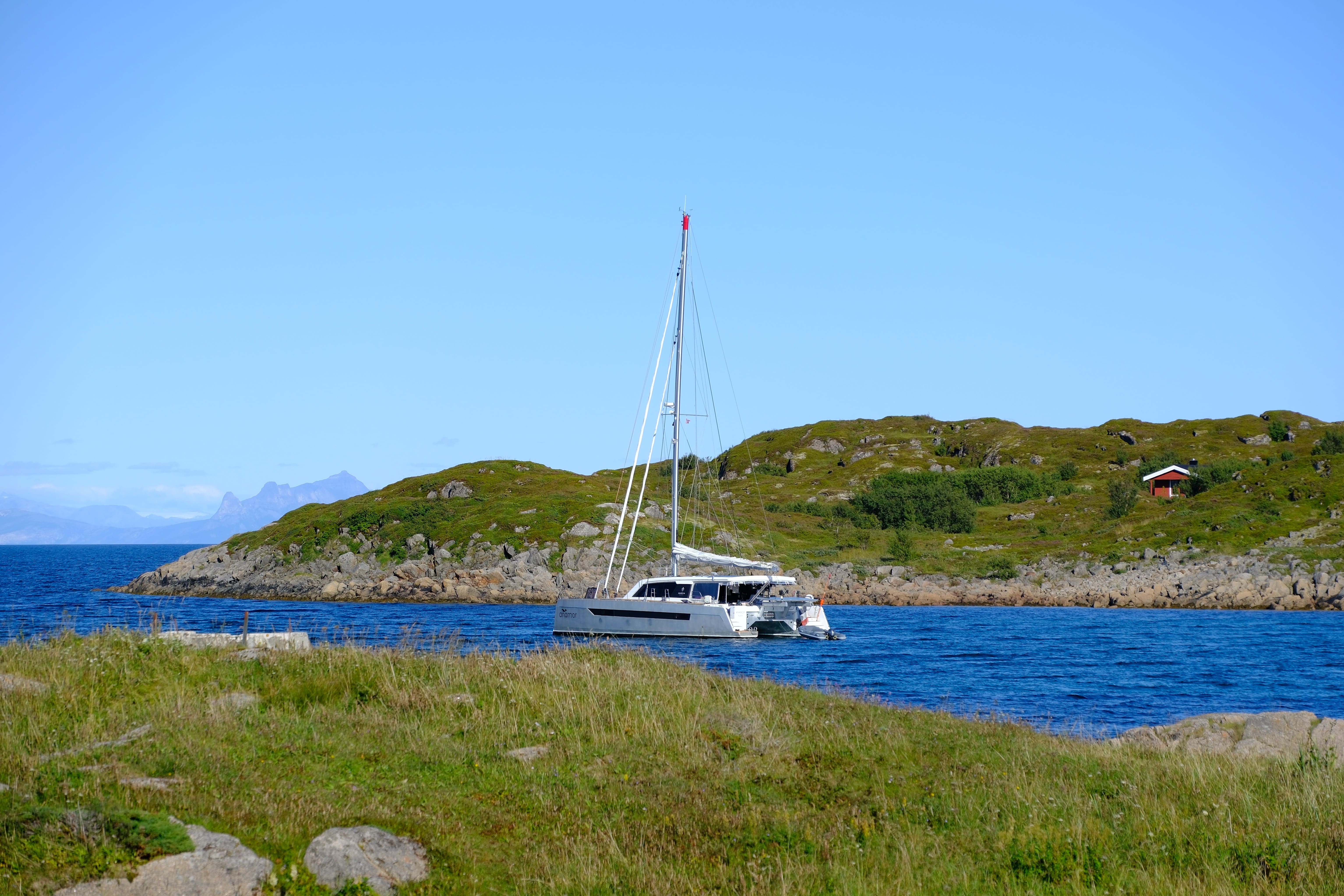
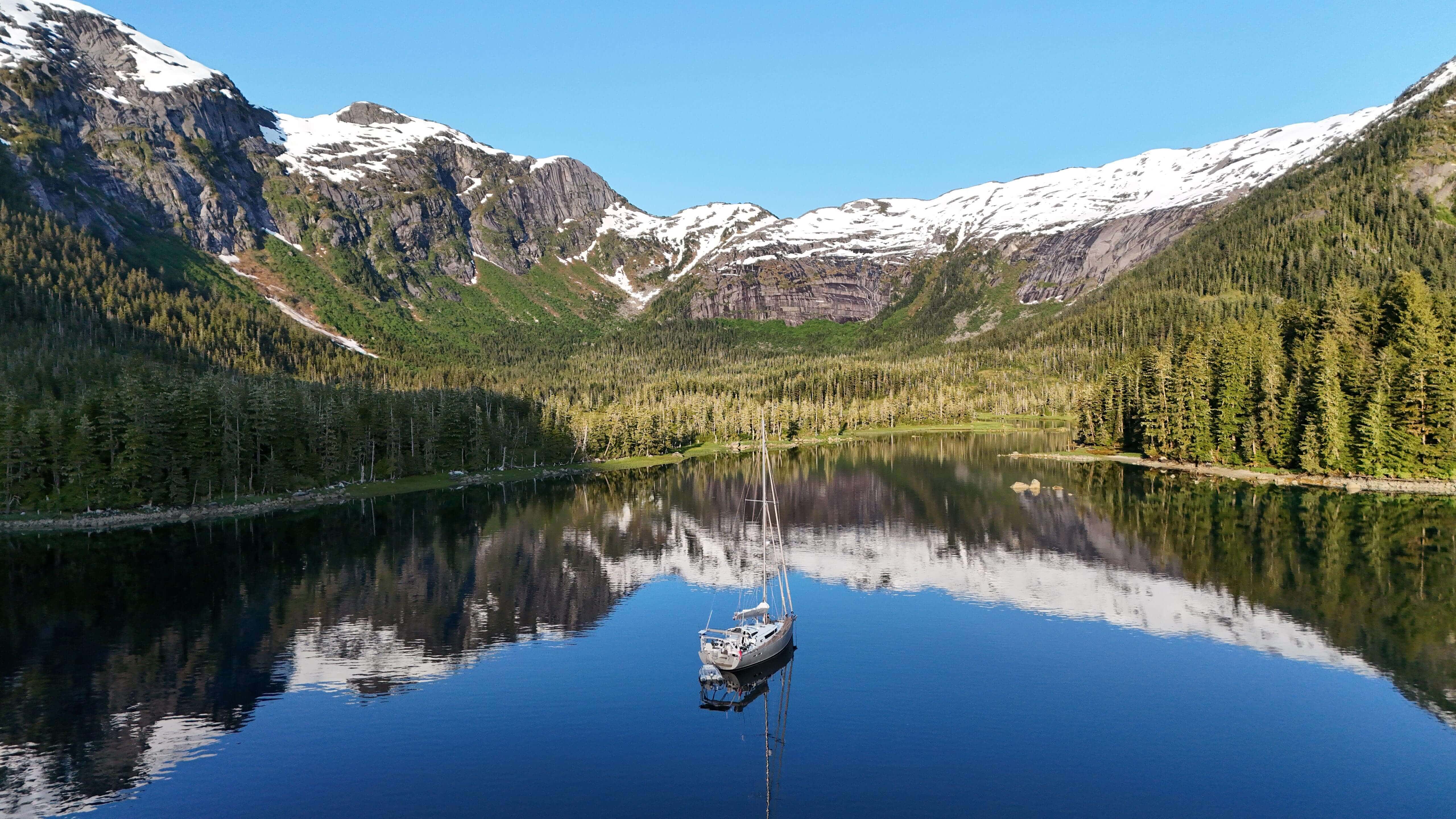
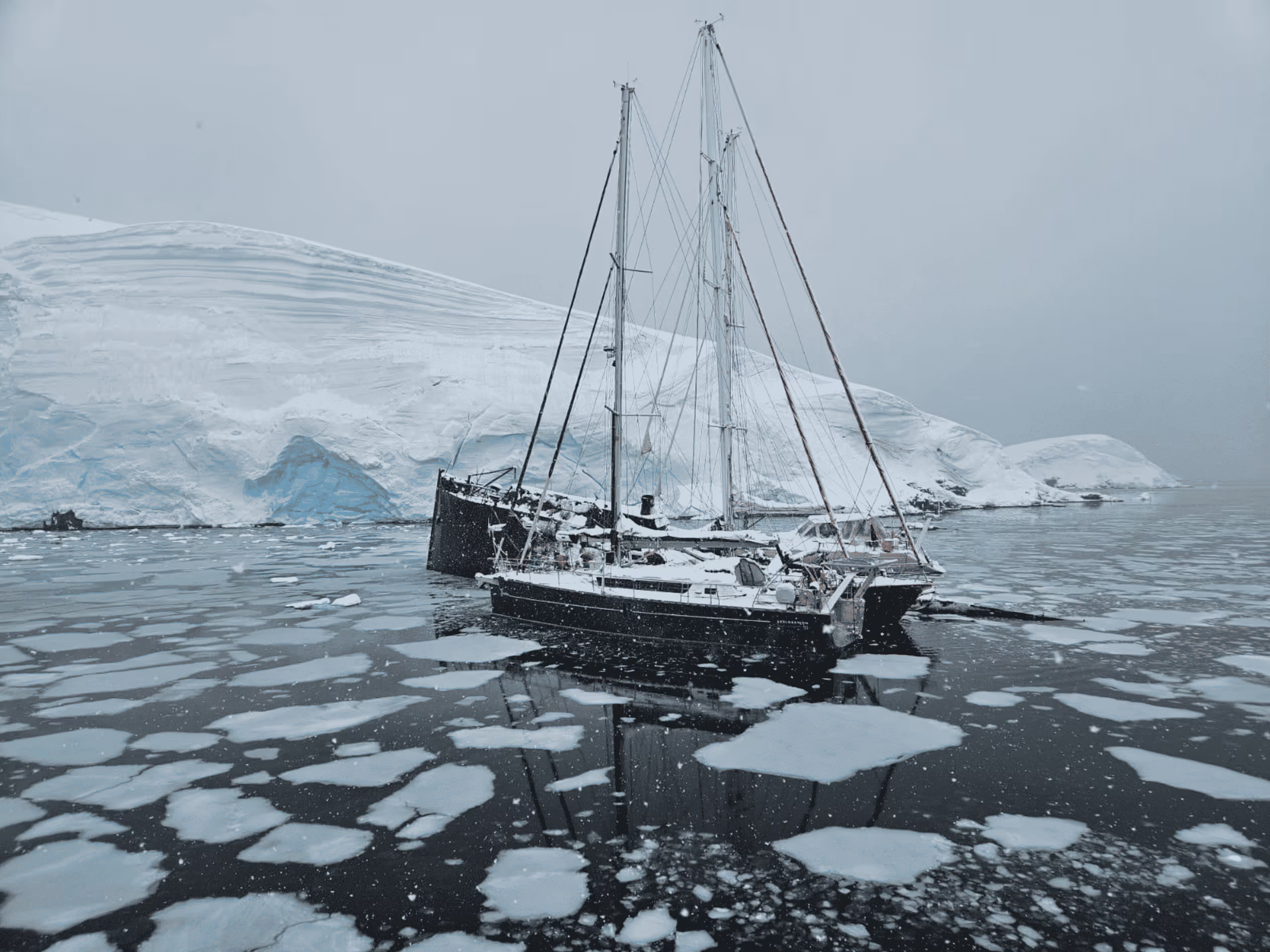
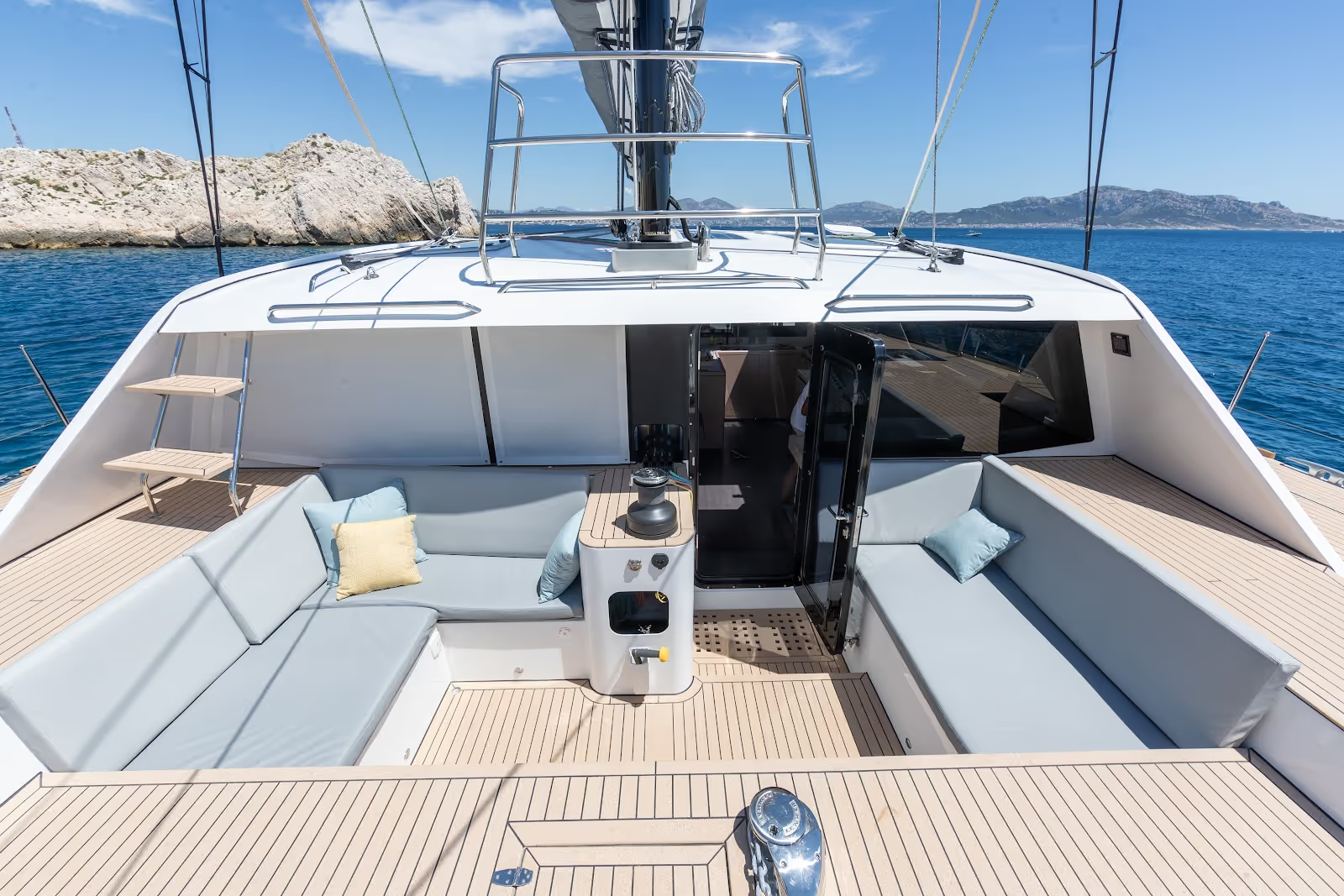
At the 2026 Cannes Yachting Festival, Garcia is unveiling a new concept for sailing expedition catamaran yachts at aluminium, ranging from 62 to 82 feet. Presented through the design of a first 72-foot model, the project is based on a clear principle: to create a true sailing base camp capable of supporting demanding exploration programs in the most remote regions, particularly in high latitudes.
A lot of our boats roam the seven seas, experiencing the whole variety of sailing adventures and, to utilize a famous exposition line, “boldly go where no man has gone before.” You´d think that these skippers are skilled sailors with thousands of nautical miles offshore experience, and many indeed are. Yet there are those unbelievably great stories of the outsiders: Hair raising, exciting and inspiring. One of which is the story of the Garcia Exploration 52 christened IMPALER, belonging to the New Zealand-based skipper Graham Hunter: And boy, what a story this is!
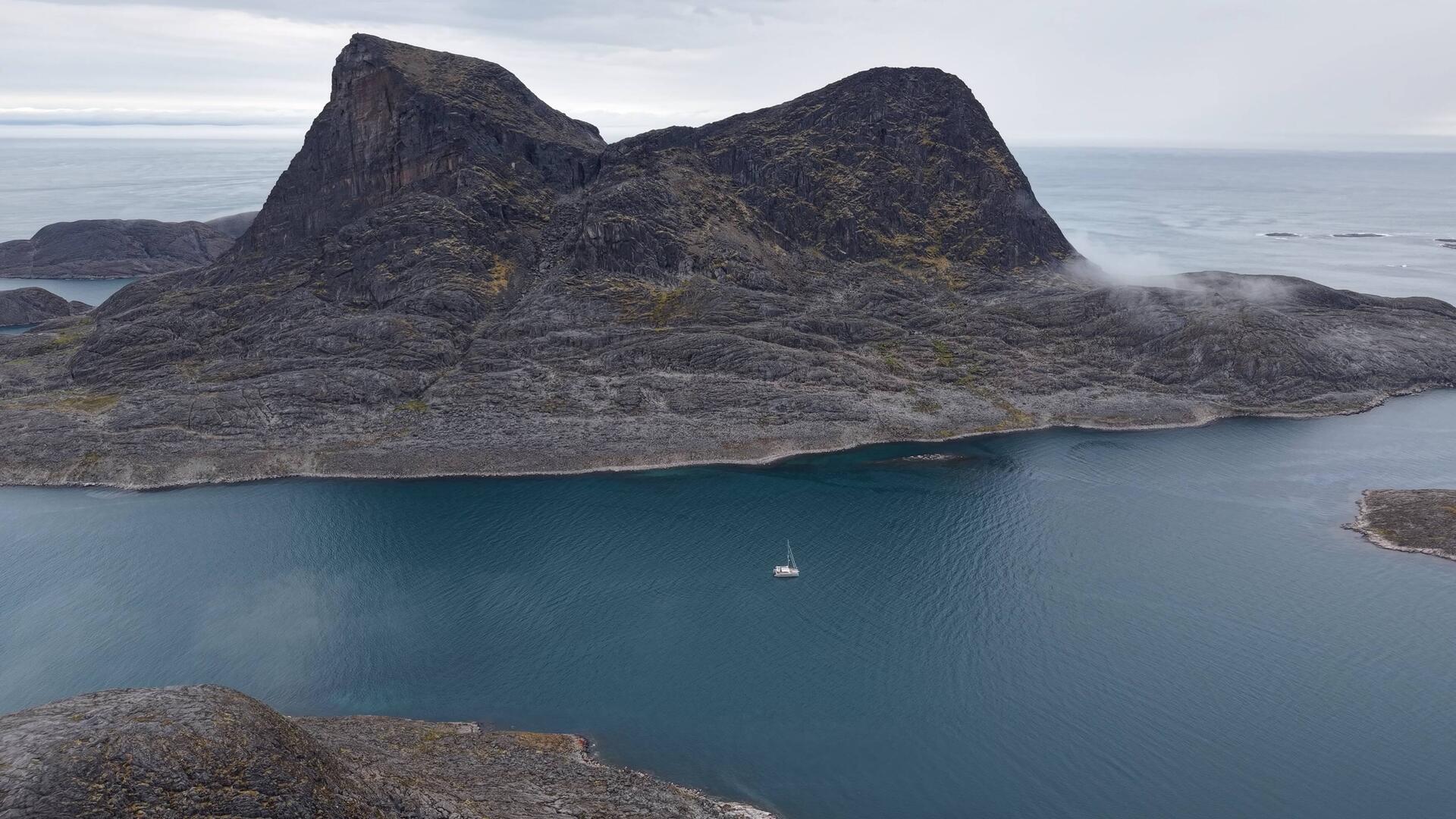
Having sailed and guided for four seasons in Svalbard on our Garcia 68, I'm getting to know these unique and fascinating places very well. It's a territory that demands respect and preparation. Here are a few points of reference for those planning to sail there.
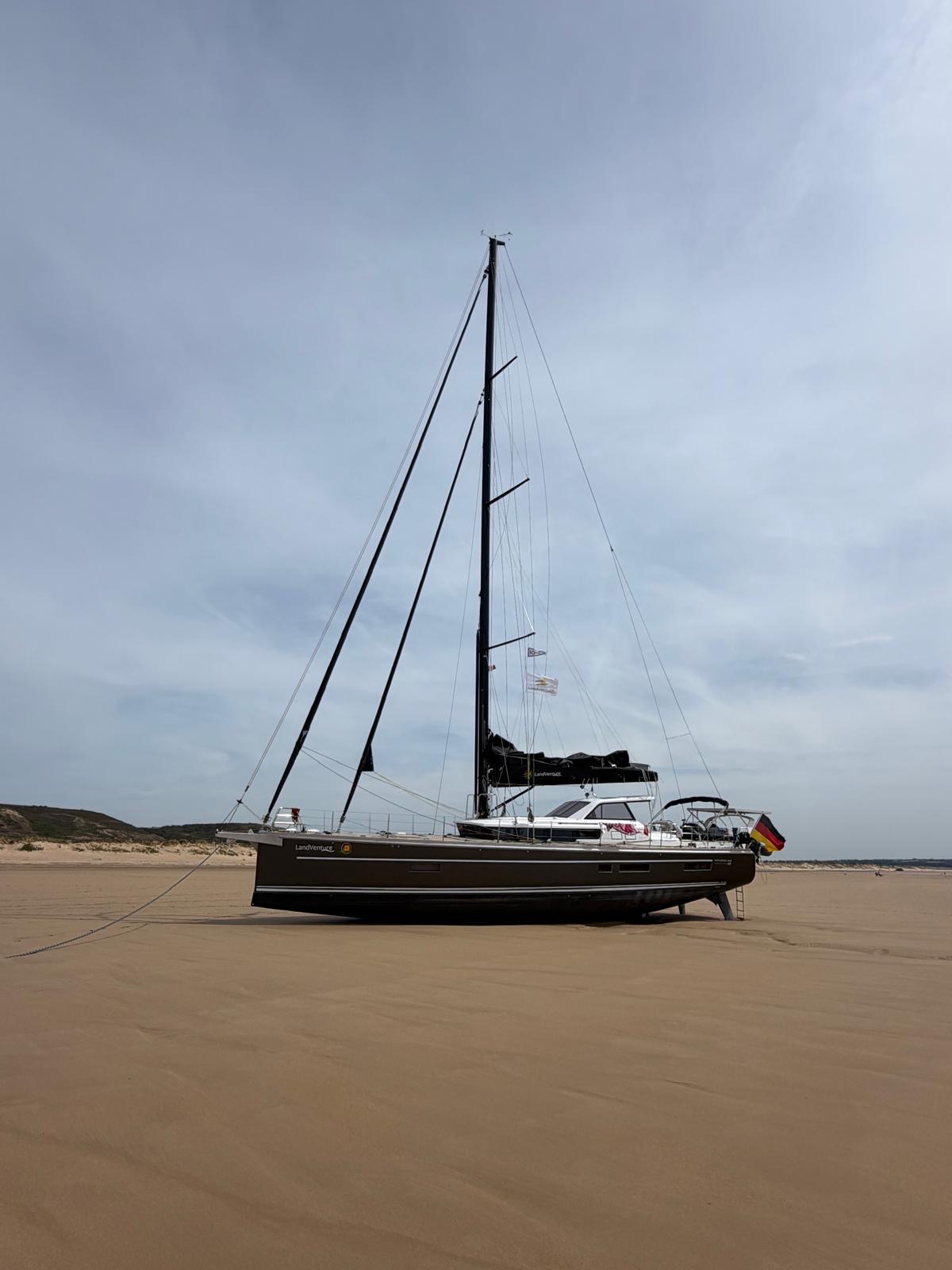
Often perceived as a demanding material,aluminium actually one of the best allies for long-distance sailors. Sturdy, durable, and repairable anywhere in the world, it offers a level of safety and reliability that is particularly valued in blue water cruising. Its maintenance relies less on complex procedures than on an understanding of the mechanisms that ensure its longevity, particularly the management of corrosion and the onboard electrical system. When well-designed and properly maintained, an aluminium sailboat aluminium its structural integrity for several decades, making maintenance a key factor in ensuring peace of mind for sailing far and for a long time.
Multihulls World takes a look at the announcement of the new line of exploration catamarans Garcia Yachts—true “base camps” in aluminium , designed to take you further.
There comes a time when you have to take a deep breath and enjoy the freedom of letting go!
For Pete Goss, choosing the boat comes after choosing the program.
Where do you want to sail? For how long? With what crew? In which regions, and with what level of self-sufficiency?
He draws on his own experiences to show how different plans lead to very different choices of boats. For a multi-year round-the-world trip as a couple, he had chosen a Garcia Exploration 45.
The webinar then discusses the key decisions that shape a boat designed for long-distance sailing: equipment, energy, water, fuel, spare parts, rigging, and the ability to maintain and repair onboard systems.
Pete Goss emphasizes one principle: every choice has consequences, and those consequences become more significant the farther one gets from infrastructure.
The goal, therefore, is not to increase the number of facilities, but to build a cohesive system that aligns with its program and level of autonomy.
Preparation involves both the crew and the boat.
Pete reflects on his experience sailing as a couple: organizing watches, dividing responsibilities, and each person’s training and progress. He recommends gaining experience gradually, without waiting to master every aspect of offshore sailing before setting out to sail.
Traveling doesn't mean following a set itinerary.
As their journey unfolded, Pete and his wife learned to slow down, adjust their pace, and make more room for the circumstances, seasons, and opportunities they encountered along the way.
An approach that sums up the webinar well: prepare your project thoroughly so that you then have the capacity and freedom needed to adapt it.
Watch the "Preparing for the blue water cruising " playlist on YouTube →
Itinerary, weather and navigation, equipment, range, life on board, safety, and crew organization: these are just some of the topics that will be discussed with experts, as well as teams from shipyards and boat owners who already have offshore experience.
For the 2026 edition, Christian Dumard and Pete Goss will share their complementary perspectives on weather, route planning, and ocean navigation.
Planning for a long-distance voyage begins long before you cast off.
What route should you plan? When is the best time of year to set sail? What equipment should you bring? How much range do you need? How do you prepare the boat and the crew for several weeks or months at sea?
DARE TO DREAM provides an opportunity to address these issues together through presentations by experts, workshops, and discussions among homeowners.
The goal: to provide everyone with guidelines and feedback to help them move forward in planning their own sailing program.
Christian Dumard, a specialist in meteorology and route planning, will share his expertise on preparing for ocean voyages and understanding weather systems.
Pete Goss will bring the experience he has gained through numerous projects and offshore voyages.
Their presentations will be supplemented by testimonials from boat owners. Their feedback allows us to address very practical topics: choosing equipment, organization on board, autonomy, and changes made to the project as the voyage progresses.
DARE TO DREAM brings together boat owners at different stages of their projects. Some are still preparing to set sail. Others already have significant experience with long-distance sailing.
Over the course of three days, workshops and discussions provide an opportunity to share experiences, ask questions of experts, and learn from those who have already sailed far and for a long time.
This handover is part of the support services offered to owners Garcia Yachts, both before and after their departure.
The fifth edition of DARE TO DREAM will take place on October 9, 10, and 11, 2026, on Tatihou Island.
DARE TO DREAM is a three-day seminar for yacht owners organized by Garcia Yachts and Allures Yachting. It focuses on preparing for long-distance sailing projects, featuring presentations by experts, workshops, and firsthand accounts from sailing yacht owners.
DARE TO DREAM 2026 will take place on October 9, 10, and 11, 2026, on Tatihou Island in Normandy, France. This will be the fifth edition of the seminar.
Christian Dumard, a meteorology and route planning specialist, and sailor Pete Goss will participate in the 2026 edition alongside the owners and crews of Garcia Yachts and Allures Yachting.
The seminar will cover topics such as the itinerary, weather and route planning, equipment, self-sufficiency, life on board, safety, and crew organization.
DARE TO DREAM is aimed at boat owners Garcia Yachts and Allures Yachting who are planning a long-distance sailing trip and wish to benefit from the expertise of specialists and the experiences of other sailors.
For more information about the program, practical details, or registration for DARE TO DREAM 2026, please contact your representative Garcia Yachts or email us at: sales@garciayachts.com
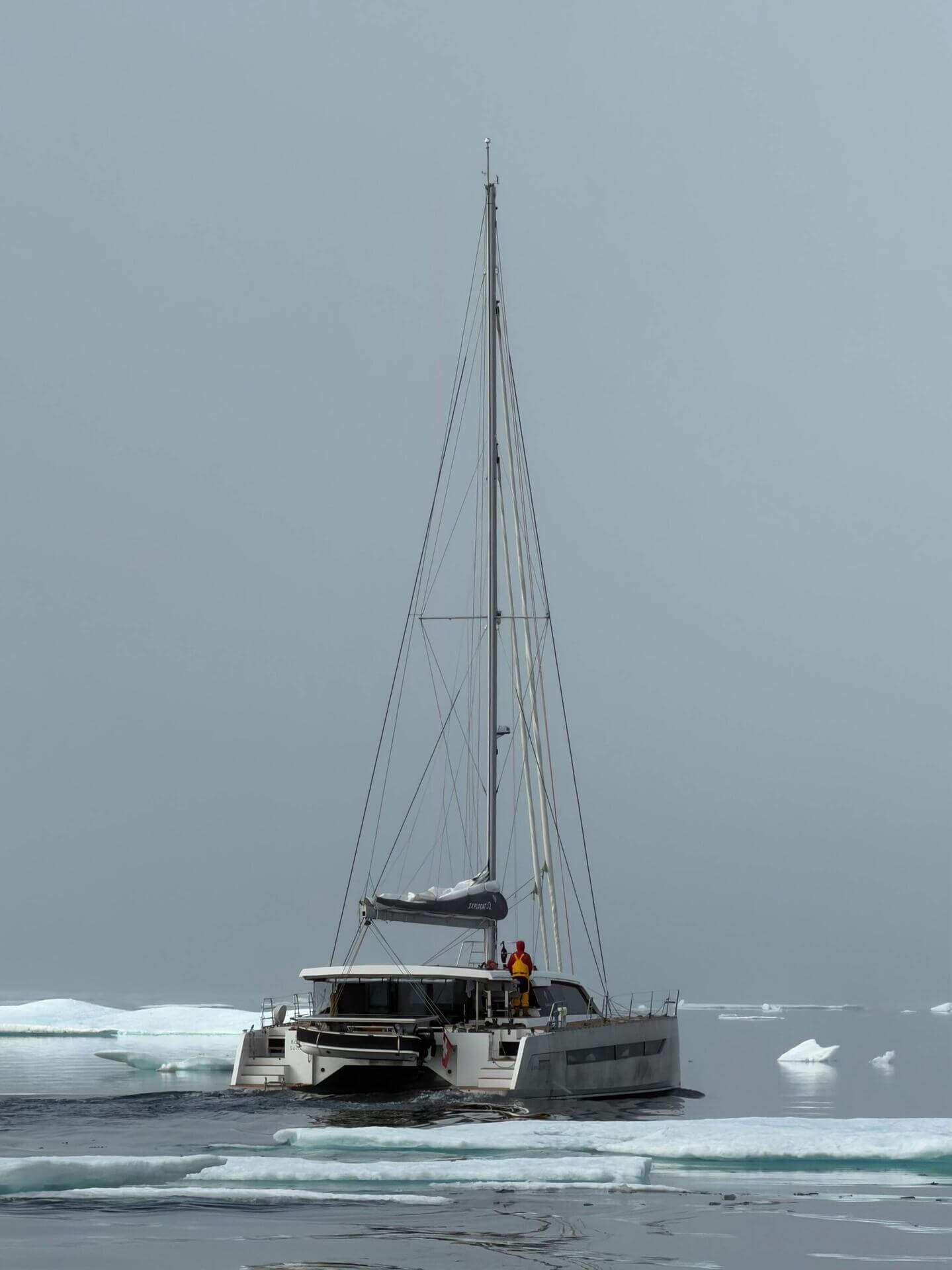
Hafiz left Nuuk on July 16 to sail up the west coast of Greenland, cross Baffin Bay, and then enter the Canadian Arctic Archipelago. The route then continued westward through Lancaster Sound, Bellot Strait, and Cambridge Bay, and then through the waters leading to Alaska.
As we read through Sadik’s logbook, one thing becomes clear: here, the plan adapts to the conditions, not the other way around. Ice conditions. Weather updates. Fuel and water management. Choice of anchorages. Routes reassessed as the situation evolves.
On September 9, Hafiz reached Nome. The Northwest Passage was complete: 4,203 miles had been traveled from Nuuk, according to the logbook.
For Sadik and his crew, this leg required preparation, self-reliance, and the ability to adapt the schedule right up to the final few miles.
While Hafiz was heading west, Lifexplorer was approaching the strait from Alaska.
For Alberto Biffignandi, the Northwest Passage was one of the main objectives of a much broader exploration program conducted aboard his Garcia Exploration 52.
Upon arriving in Nome in early July, Lifexplorer first had to wait for the ice to break up before heading north and then east. The initial stages of the journey in the Beaufort Sea proved particularly challenging, as old pack ice made it difficult to navigate between Alaska and Canada.
Lifexplorer then continued its journey through the Canadian Arctic, passing through Herschel Island, Cambridge Bay, Victoria Strait, and the Bellot Strait, before reaching Lancaster Sound and then Pond Inlet.
The crew completed the central section of the Northwest Passage in 35 days, traveling from Nome to Pond Inlet. Once out of the Canadian archipelago, the Lifexplorer crossed Baffin Bay to reach Greenland and the Disko Bay region.
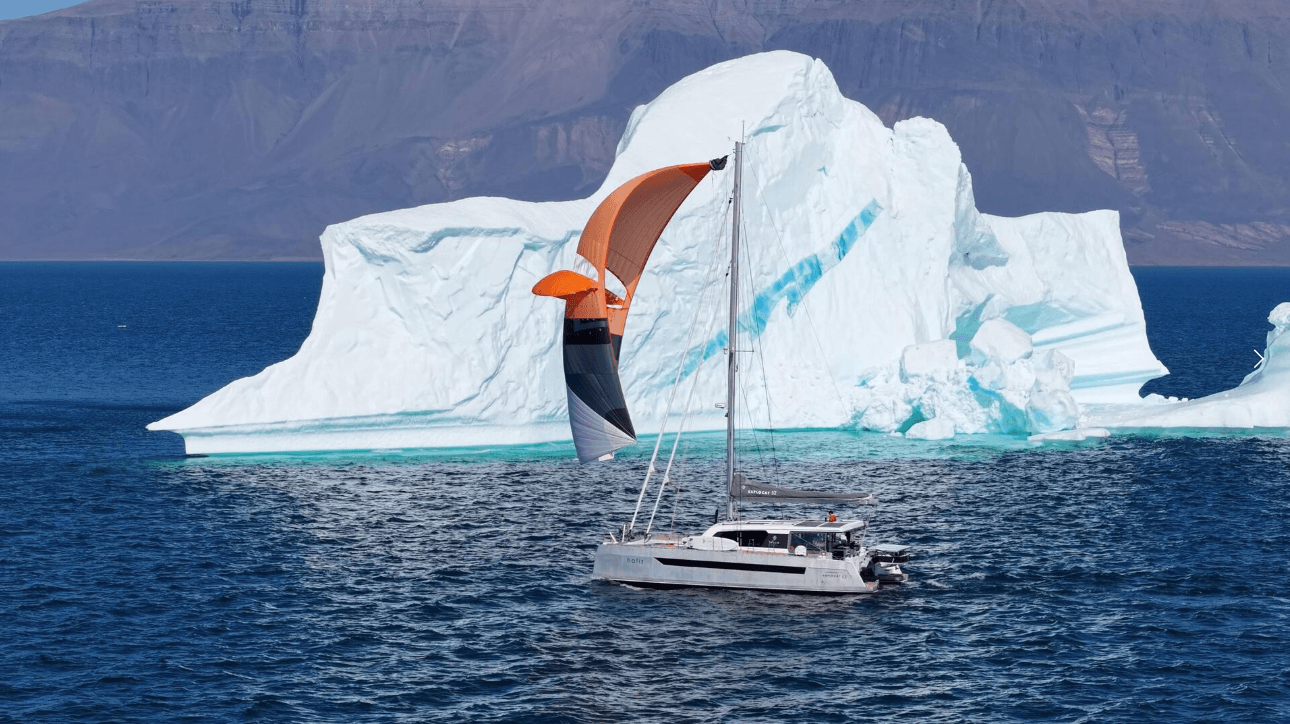
These two passages tell different stories. Hafiz traveled from east to west aboard a Explocat 52. Lifexplorer from west to east aboard a Exploration 52.
But their logbooks reveal a common reality of Arctic navigation: the route must adapt to the conditions. Progress depends on the ice, the weather, the currents, and the available information. It also depends on the condition of the ship and the crew. Sometimes you have to wait. Change course. Or be ready to set out when a window of opportunity opens.
Under these circumstances, autonomy gives the crew more options for adapting.
Two Garcia sailboats completed the Northwest Passage in opposite directions during the same season. Each crew followed its own route, made its own decisions, and adapted its plan to the conditions they encountered.
Congratulations to Sadik and the entire crew of the Hafiz. Congratulations to Alberto and the entire crew of the Lifexplorer.
Two Northwest Passages completed. Two different expeditions. Two Garcias drawing on the self-reliance and skills required for this type of navigation.
Read the full details of the first stages of Sadik's journey aboard the Explocat 52
Read their stories: Hafiz / Lifexplorer