.jpg)

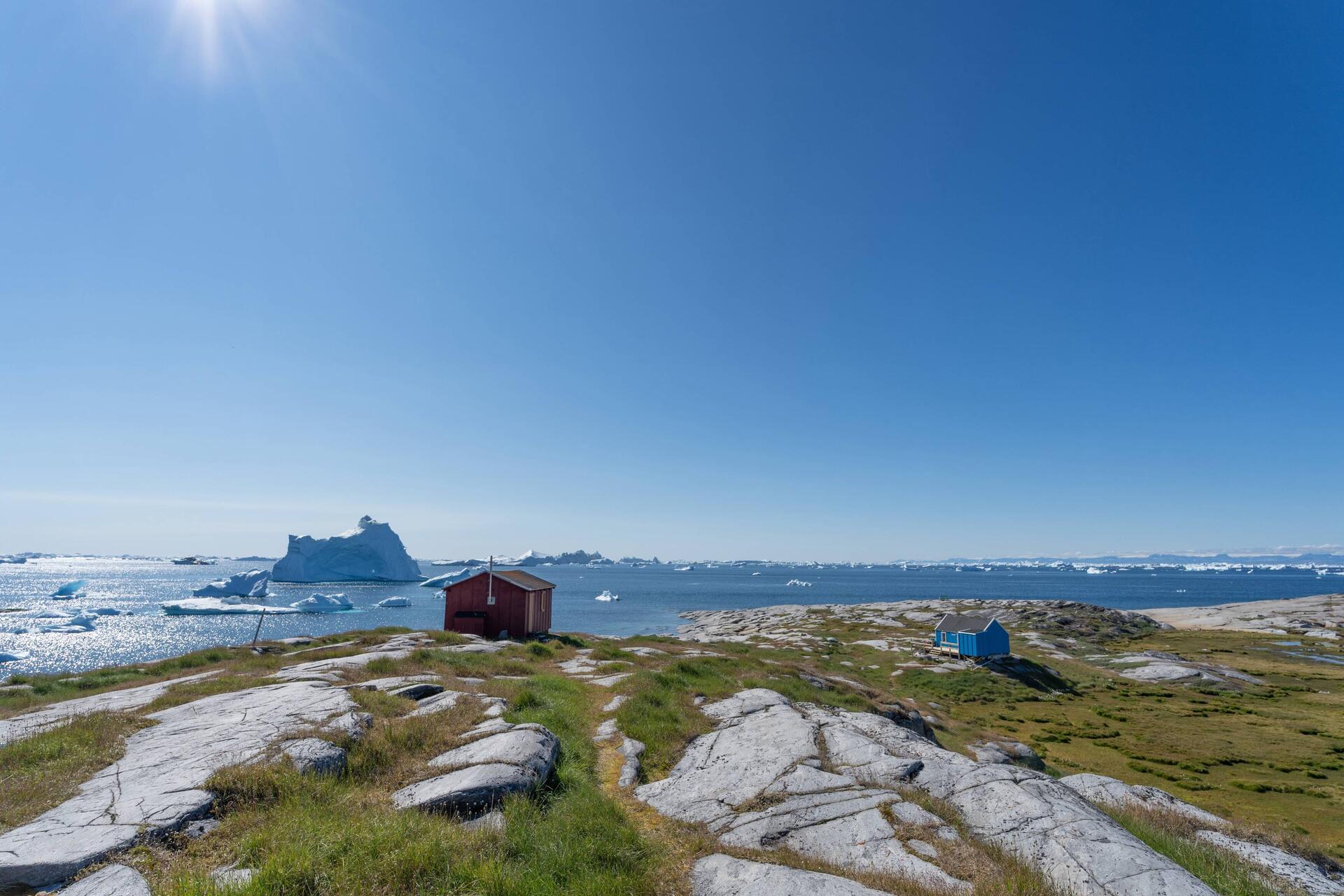
Since leaving Nuuk in mid-July, Sadik and the crew of Hafiz, his Garcia Explocat 52, have been making their way north and west towards the Northwest Passage. After sailing along Greenland’s west coast and crossing Baffin Bay, they have now reached Devon Island in the Canadian Arctic.
For the Explocat 52 Hafiz, the Northwest Passage began well before the first miles were sailed.
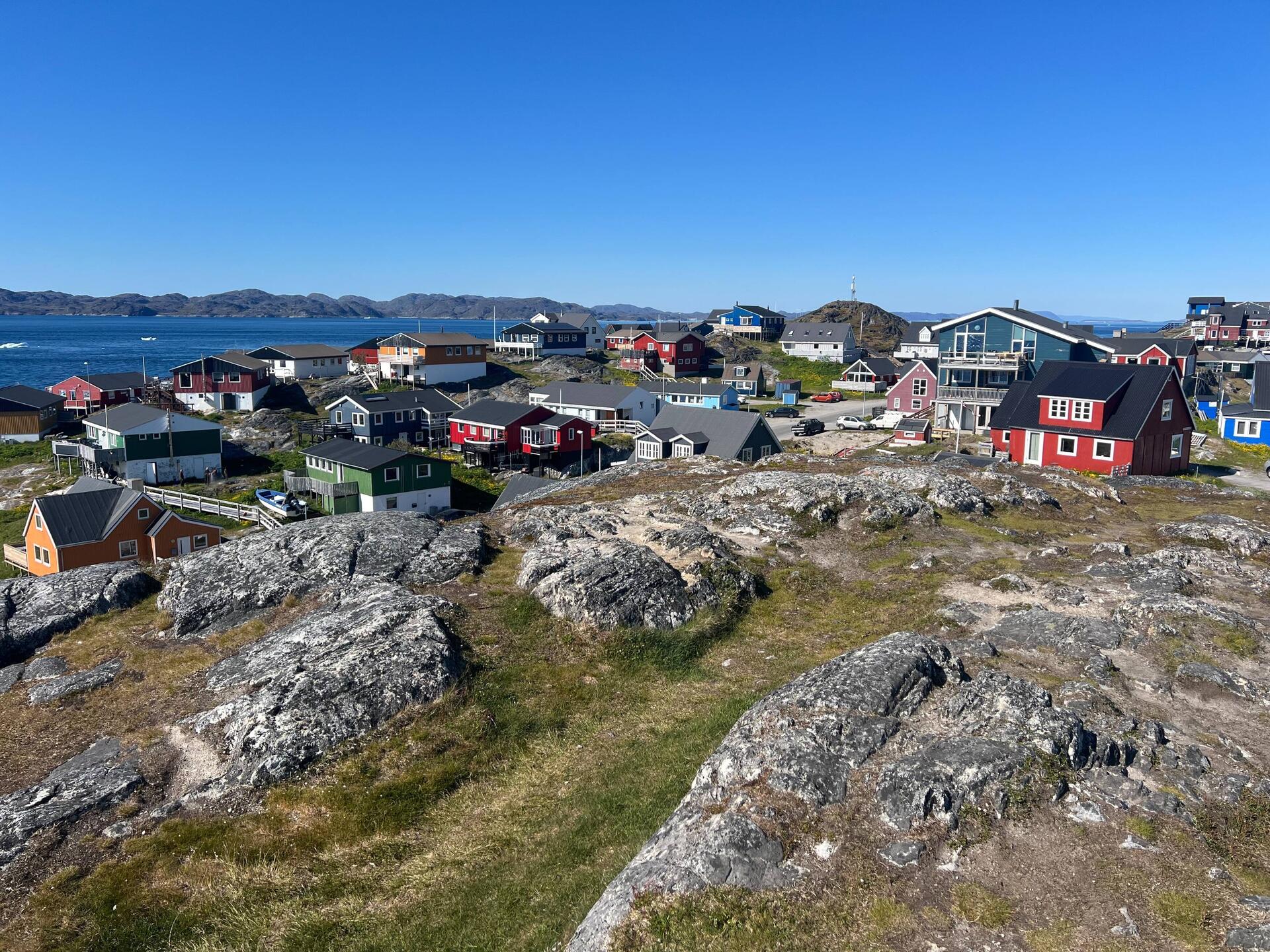
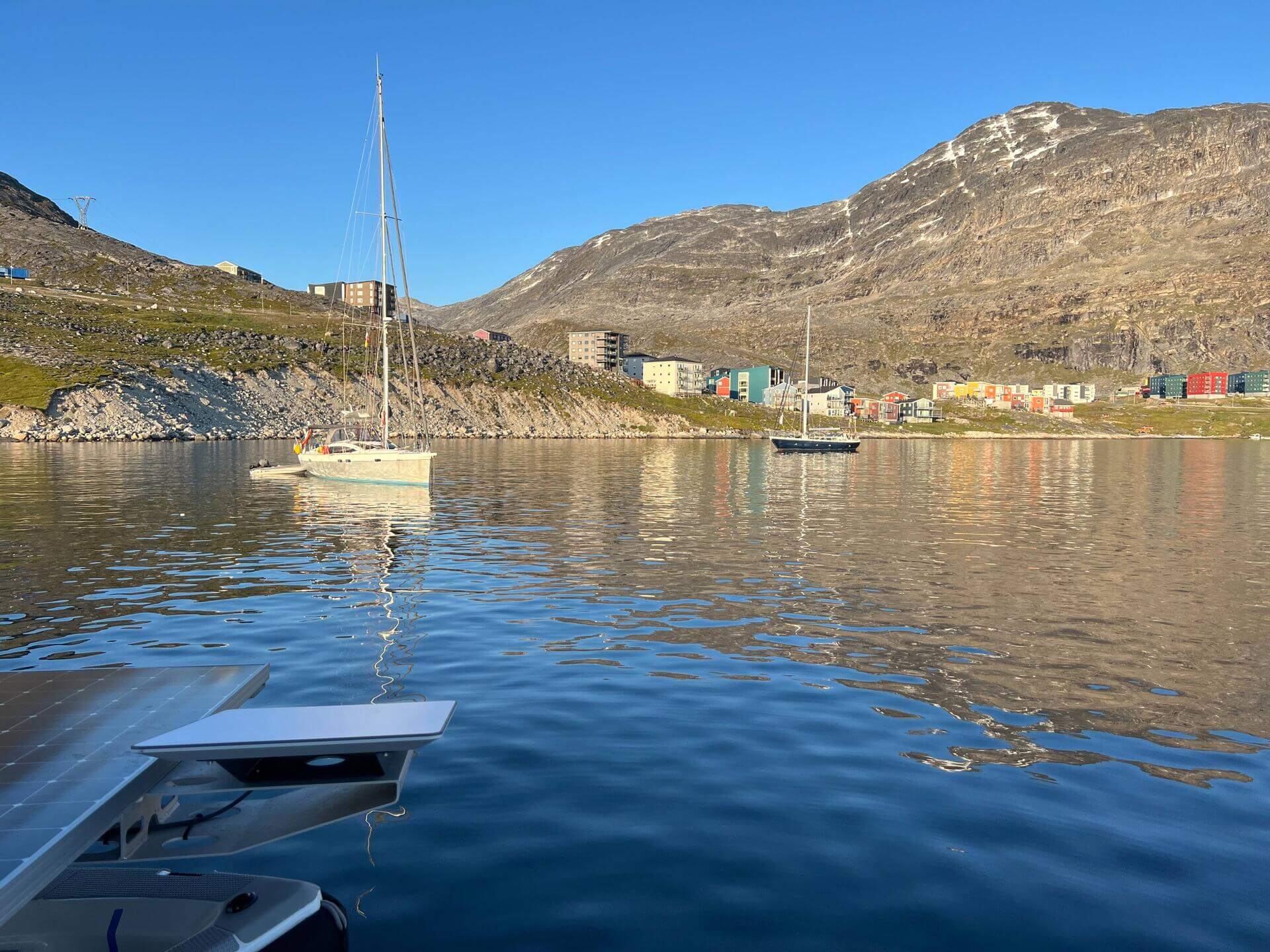
In Nuuk, the days leading up to departure were dedicated to preparation. Equipment was checked and adapted, provisions loaded, work completed on board, and fuel and water reserves brought up to the level required for the route ahead. Vanuily, Anne and Hugues’ Allures 45, was also in Nuuk at the time. The two crews would cross paths regularly as they made their way north.
On July 15, Hafiz took on 1,450 litres of diesel and filled her water tanks. Yann and Jörg had already joined Sadik, while Richard was due to complete the crew a few days later in Ilulissat.
Sailing north along Greenland
Hafiz left Nuuk on July 16.
The first stages quickly established the rhythm of the voyage: adapting the programme to the wind, choosing anchorages according to the conditions, and navigating carefully in areas where charted information sometimes required additional caution.
The route led north through the fjords of Greenland's west coast, past Kangaamiut and towards Disko Bay. At several points, Hafiz and Vanuily found themselves following similar routes or sharing the same anchorages.
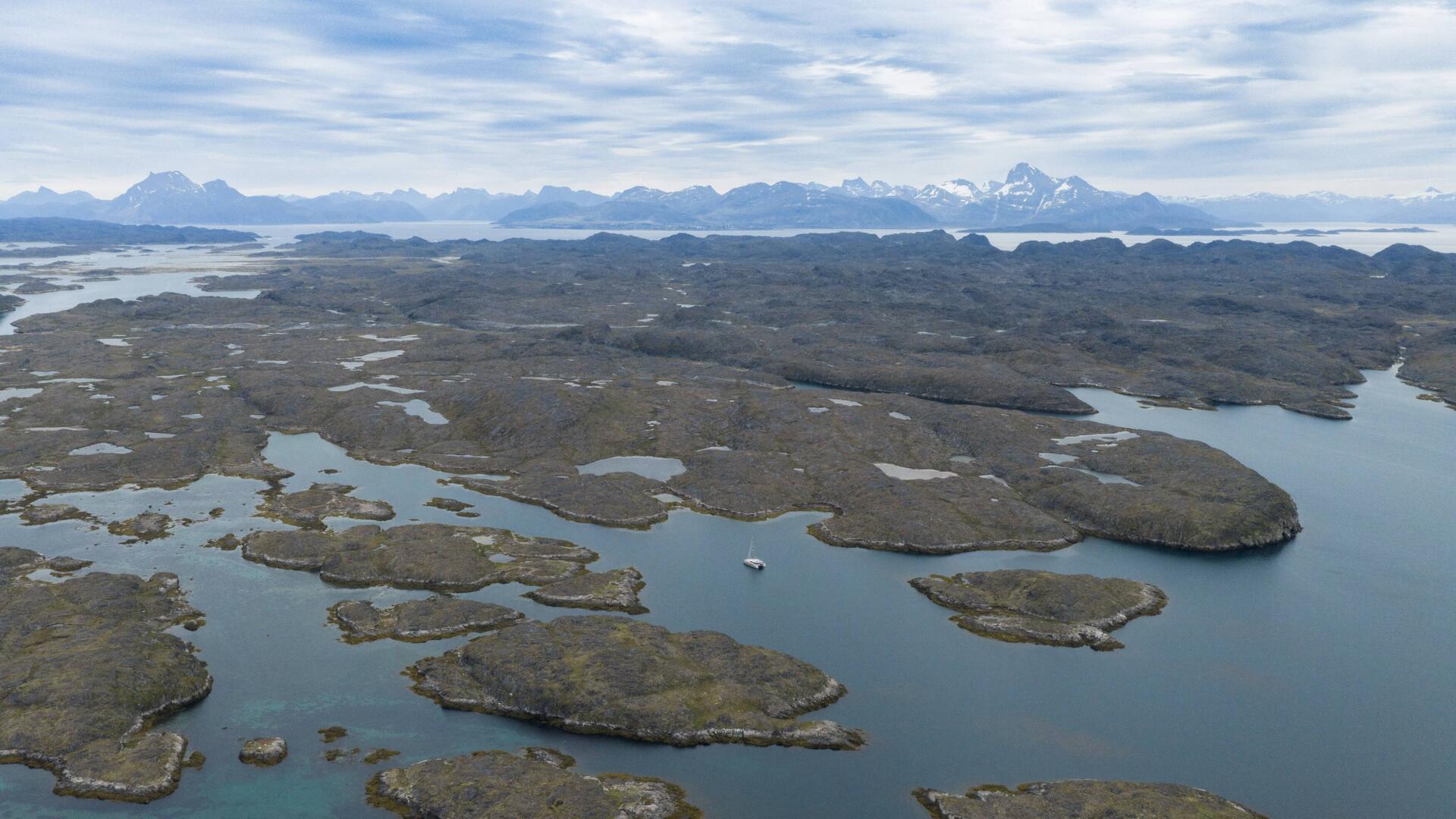
On July 17, information provided by Vanuily helped Hafiz prepare her approach to an anchorage in an imperfectly charted area. The following day, the two yachts sailed together for part of their passage through Ammaqqoq Fjord before continuing at their own pace.
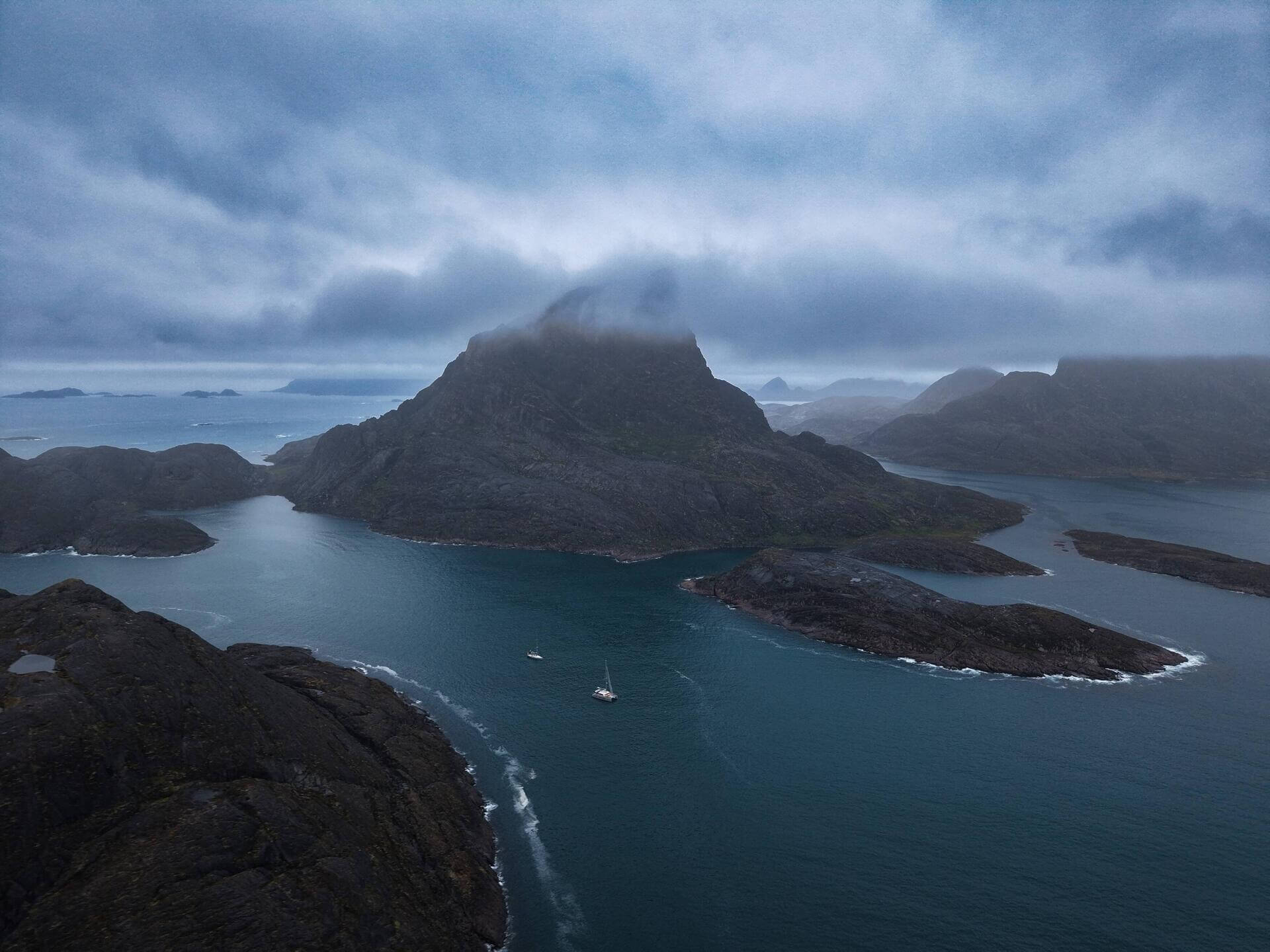
As the miles passed, the crew alternated between sailing and motoring according to the weather while gradually settling into their routines on board.
During the night of July 20 to 21, Hafiz crossed the Arctic Circle for the first time.
Ahead lay Disko Bay and a very different sailing environment.
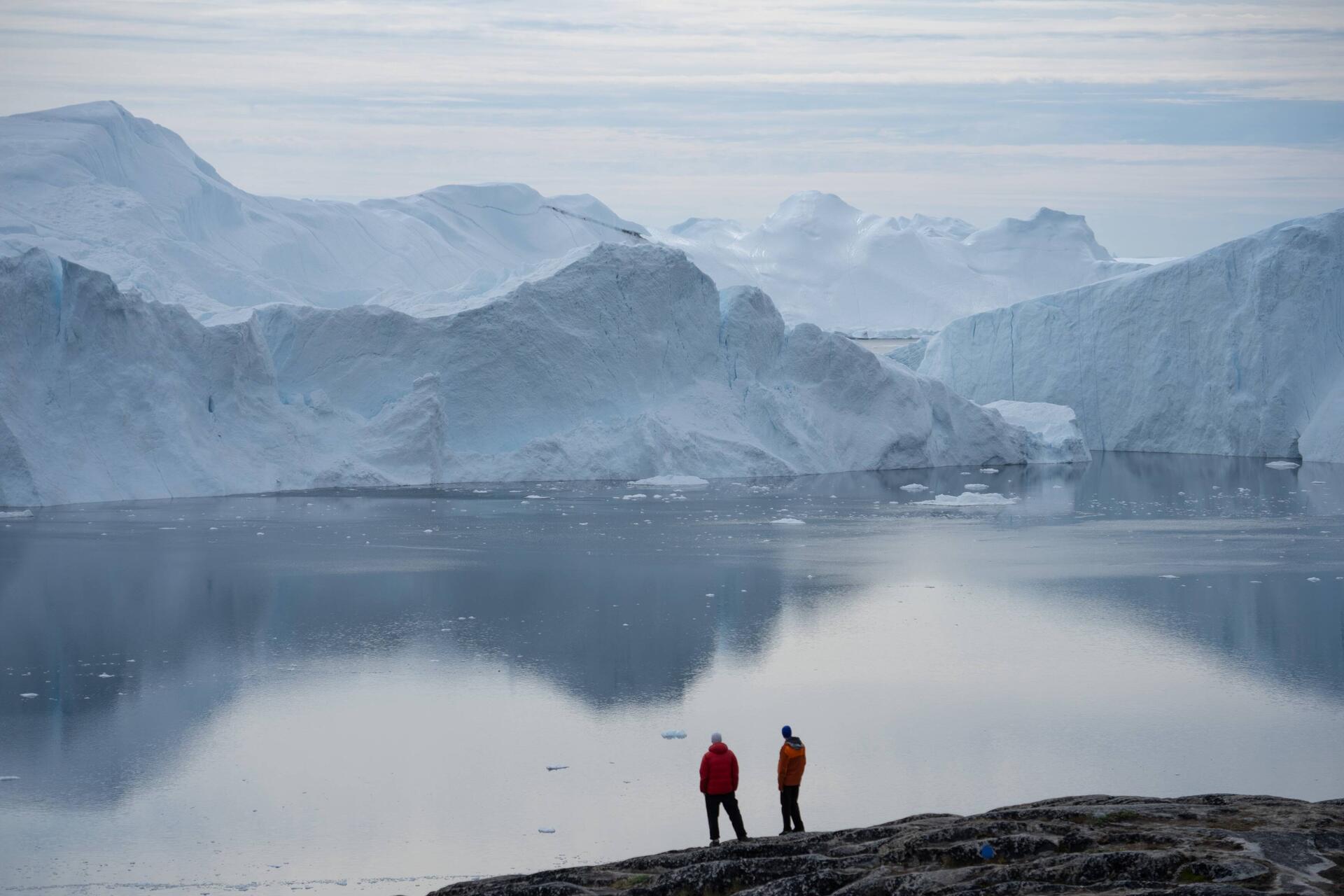
Approaching Ilulissat, the crew encountered increasing concentrations of ice originating from the nearby Icefjord. Hafiz initially continued under sail before the density of the ice required the sails to be lowered and the yacht to proceed under engine.
The following hours were spent finding the safest route through areas of varying ice concentration, with the continuous daylight of the Arctic summer allowing the crew to maintain a constant visual watch.
After a full night of navigation, Hafiz anchored off Ilulissat on the morning of July 21. Richard then joined the yacht, completing the four-person crew.
From Disko Bay to Upernavik
From Ilulissat, Hafiz continued north.
In these waters, following a predetermined route is rarely enough. An attempt to approach the Eqi Glacier, for example, was abandoned after information from another yacht indicated that ice was blocking the way. The crew adjusted the plan and changed course.
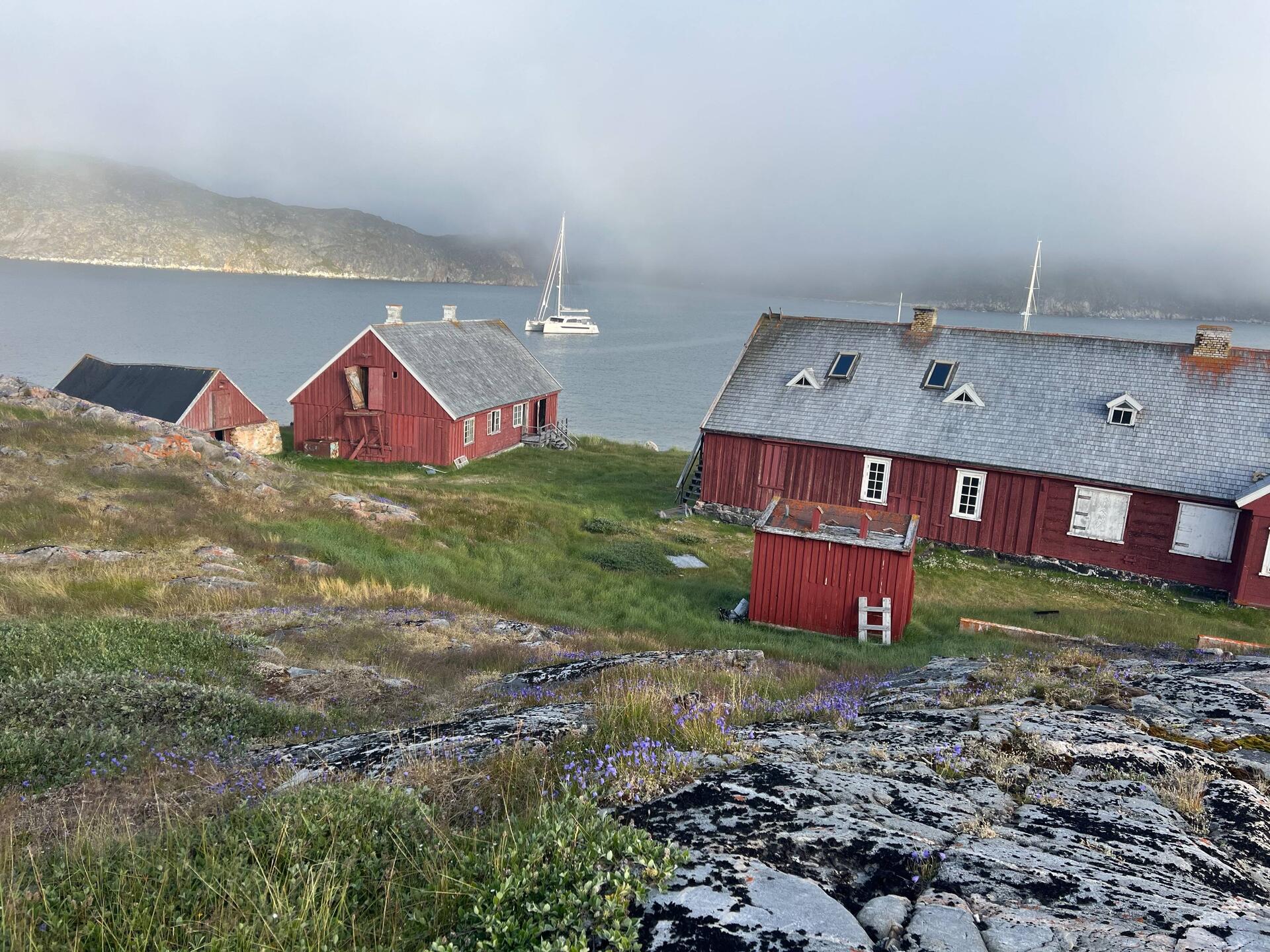
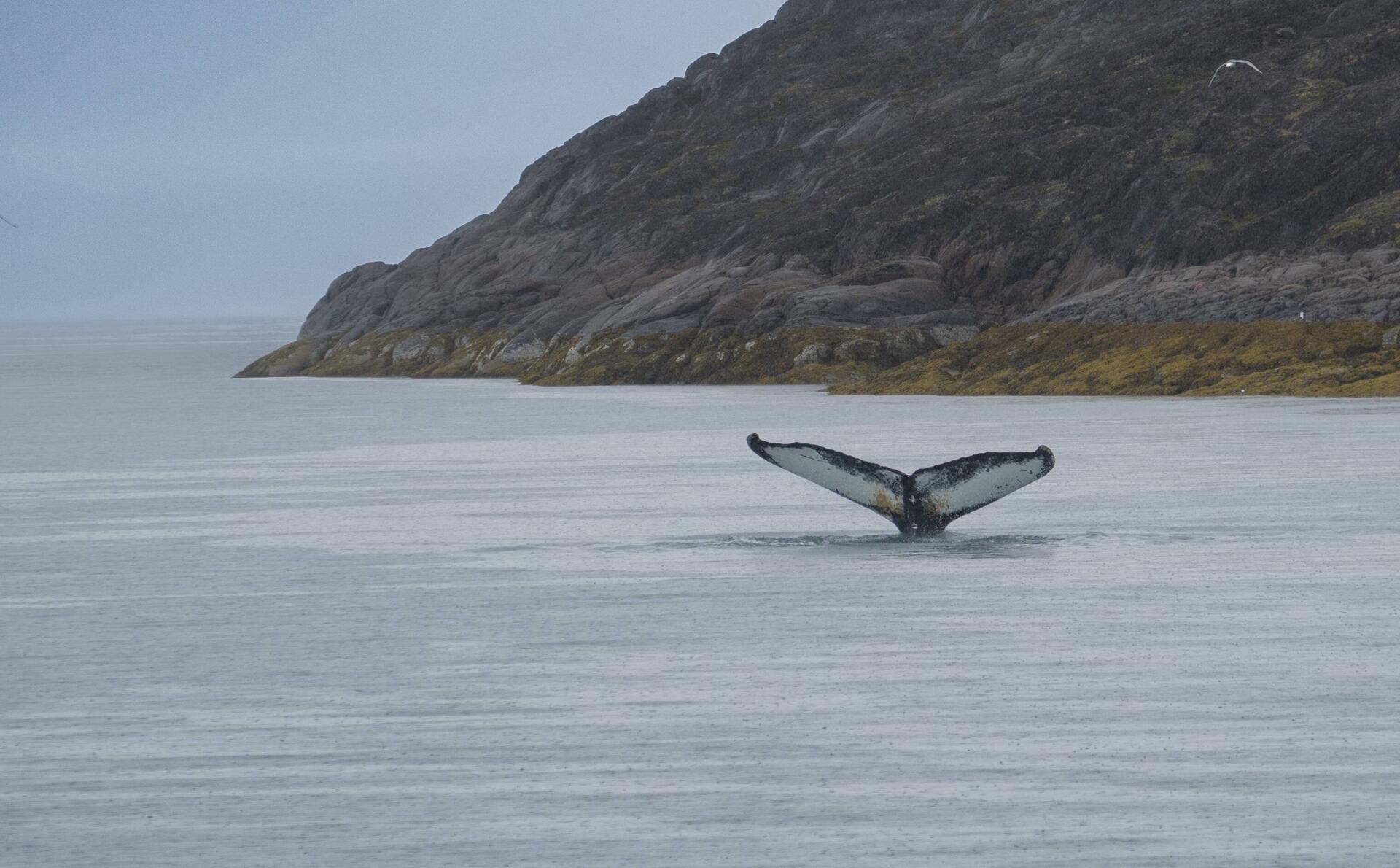
The following days alternated between remote anchorages, calm conditions and occasional opportunities to sail. The Arctic environment increasingly became part of everyday life on board: icebergs, isolated settlements and wildlife along the Greenland coast.
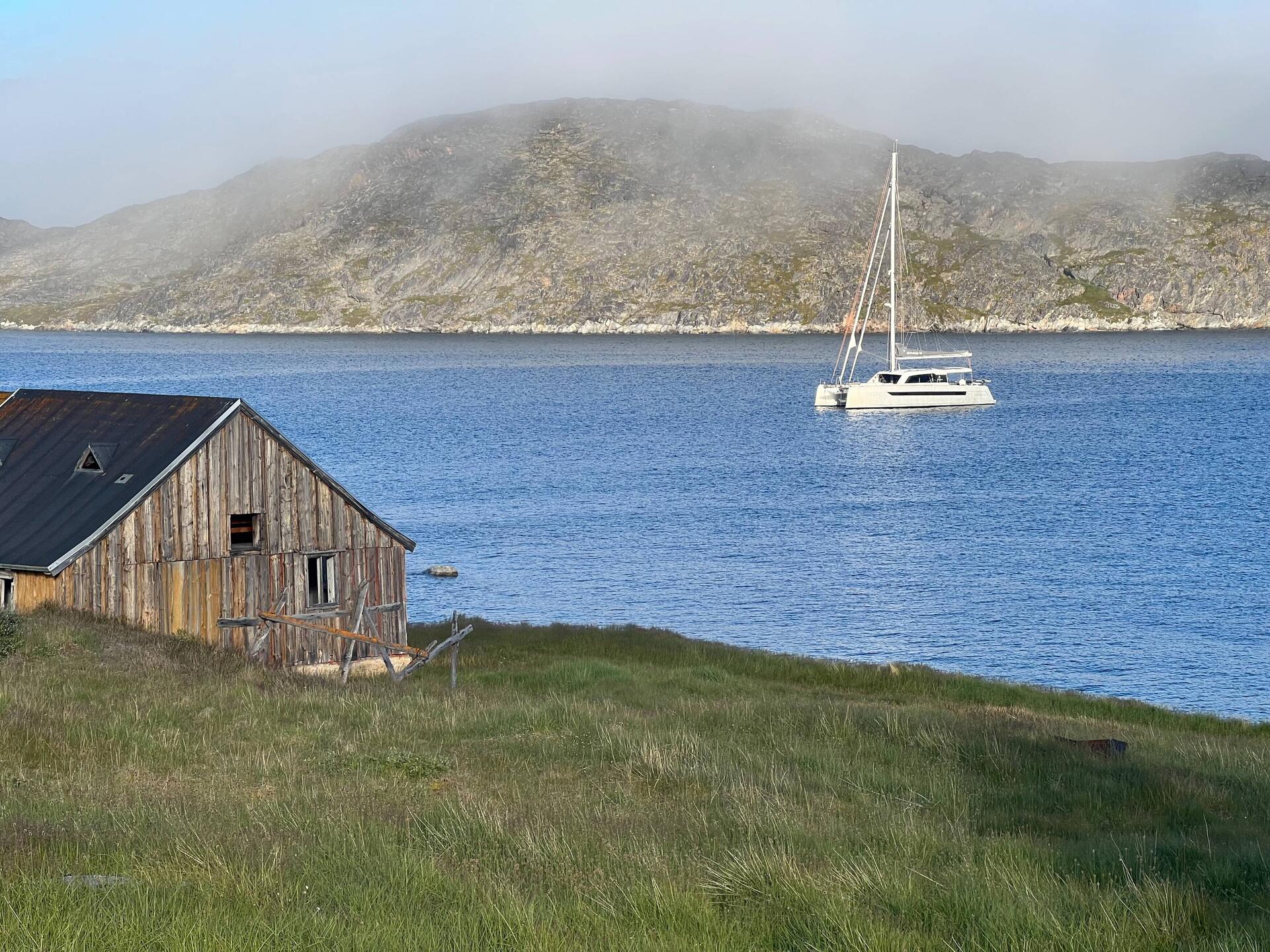
Vanuily remained on a similar route. On July 26, the two crews met again at the same anchorage. Two days later, Anne et Hugues welcomed the crew of Hafiz aboard their Allures 45 for dinner.
On July 29, Hafiz reached Upernavik, where Vanuily was already anchored.
This was the final planned stop in Greenland before crossing towards Arctic Canada. Once again, fuel, provisions and information gathering formed part of the preparation.
By then, Hafiz had covered 880 nautical miles in 15 days between Nuuk and Upernavik.
Persistent high-pressure conditions and light winds had required extensive use of the engines, with around 150 nautical miles completed under sail.
The next leg would take Hafiz away from the Greenland coast and across Baffin Bay.
Crossing Baffin Bay
Hafiz left Upernavik on July 31 with a favourable weather window.
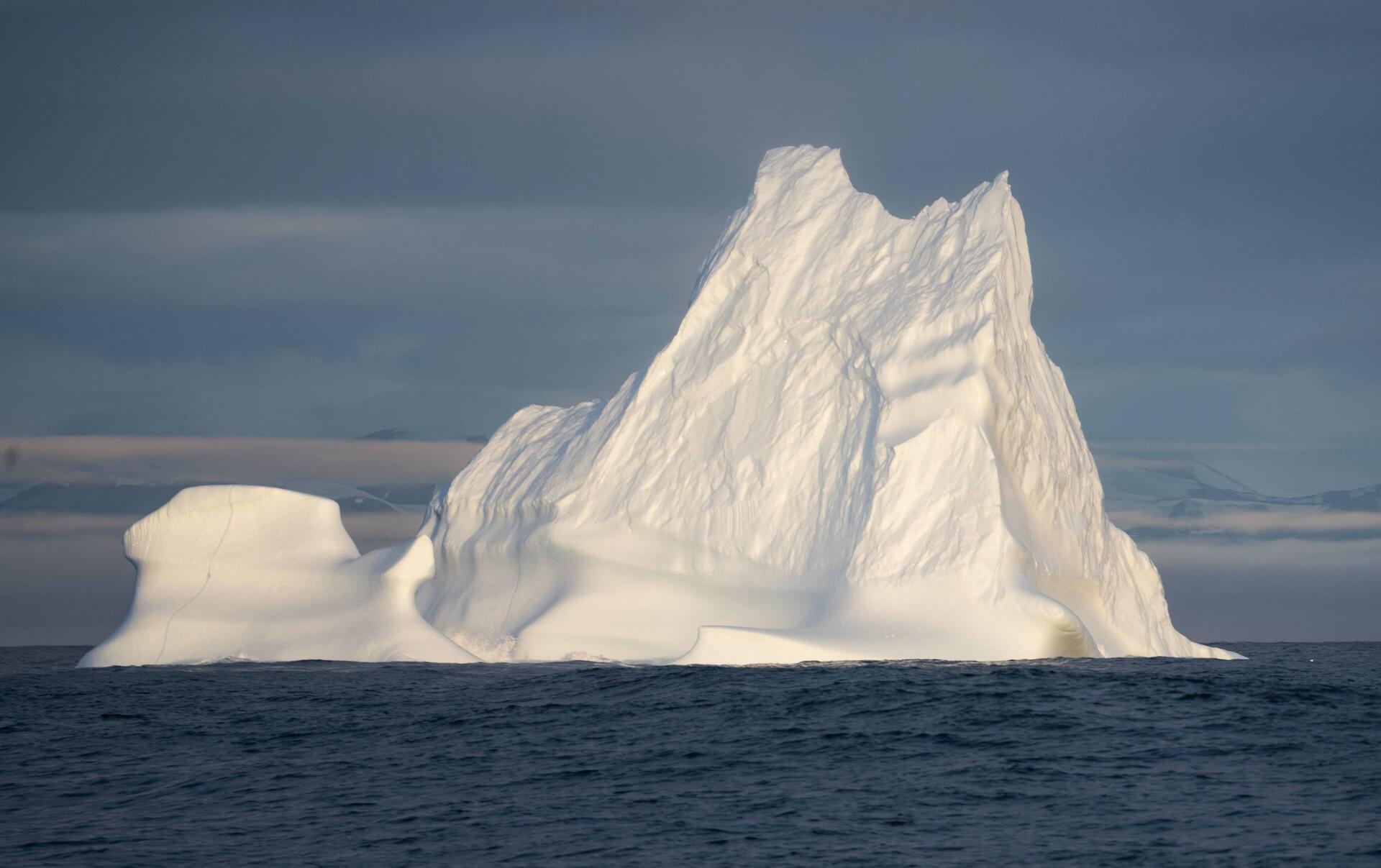
Once offshore, southerly winds allowed the crew to set the full mainsail and gennaker. Boat speed regularly ranged between 6 and 10 knots as they headed west, with icebergs remaining a constant consideration during each watch.
With four people on board, the crew organised three-hour solo watches for the crossing.
Conditions changed during the following night. Dense fog significantly reduced visibility. Radar and continuous watchkeeping became essential for monitoring the icebergs and smaller pieces of ice surrounding them.
Despite the reduced visibility, Hafiz maintained good progress, at times sailing at around nine knots. During the crossing, Vanuily was following the same general route several dozen miles behind.
Closer to Canada, the wind eventually faded and the final part of the passage towards Pond Inlet was completed under engine.
On August 2, Hafiz reached the Canadian Arctic.
Further west, however, ice conditions remained a central concern. While the eastern part of the Northwest Passage was beginning to open relatively early, some areas further west were still blocked by ice.
As Sadik makes clear in his log, completing the Northwest Passage remained far from certain at this stage.
Entering the Northwest Passage
At Pond Inlet, the routes of the two yachts came together once again. Vanuily arrived during the night of August 2 to 3 and rafted alongside Hafiz. Anne, Hugues and the crew of Hafiz shared part of their stop before continuing west.
After two days in Pond Inlet, Hafiz resumed her passage on August 4.
The following day brought another significant geographical milestone.
After sailing through Navy Board Inlet, Hafiz reached Lancaster Sound. As forecast, an easterly breeze developed, allowing the crew to cross under full mainsail and gennaker towards Cuming Inlet on Devon Island. Vanuily was also making her way through Navy Board Inlet that day.
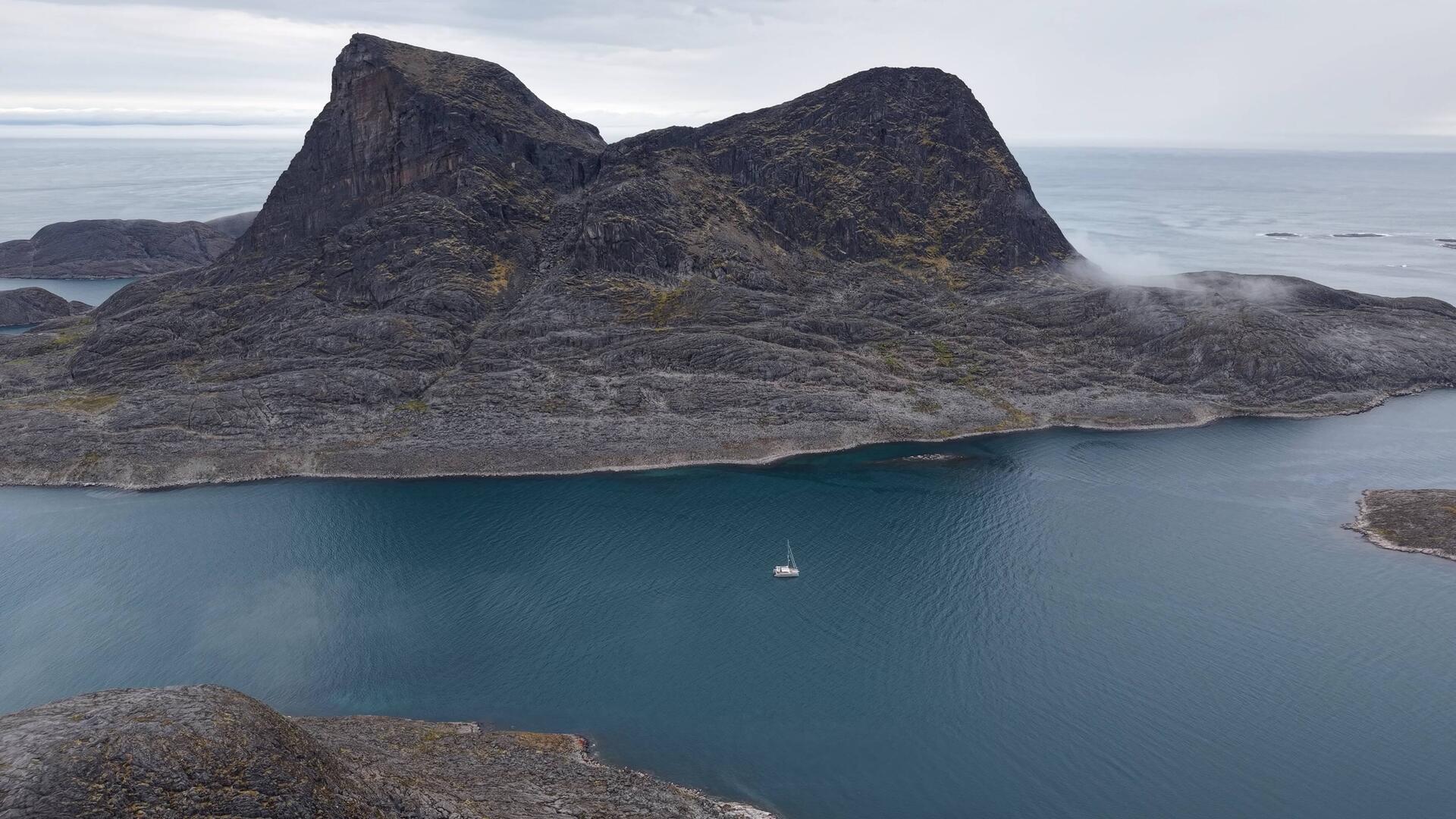
By evening, Hafiz was anchored deep inside Cuming Inlet, surrounded by cliffs rising directly from the sea.
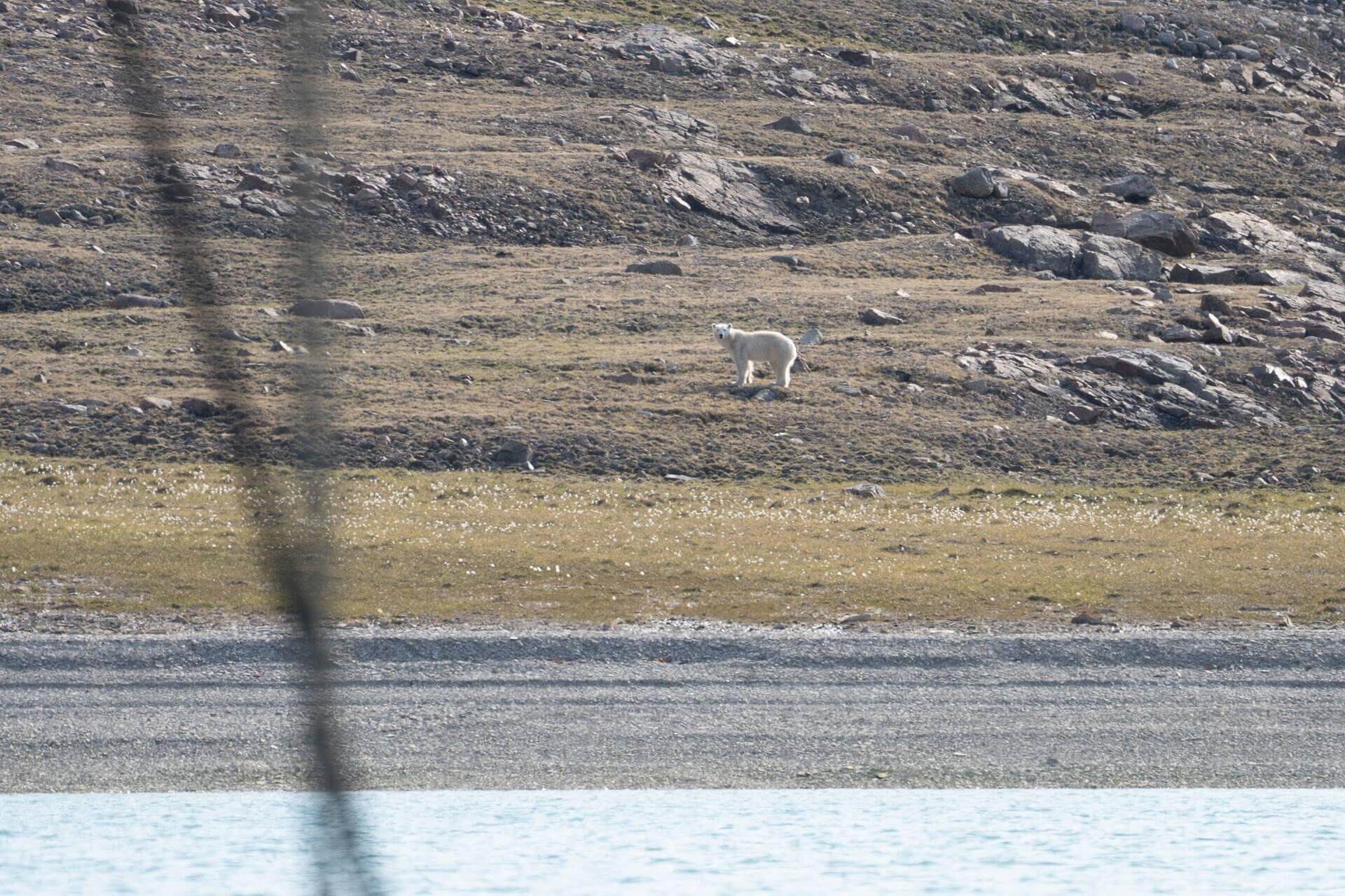
The crew remained around Devon Island for the following days. A polar bear was spotted close to the anchorage at Cuming Inlet before Hafiz moved approximately 50 nautical miles west to Burnett Inlet on August 8. Musk oxen were also observed along the coast and around the anchorage.
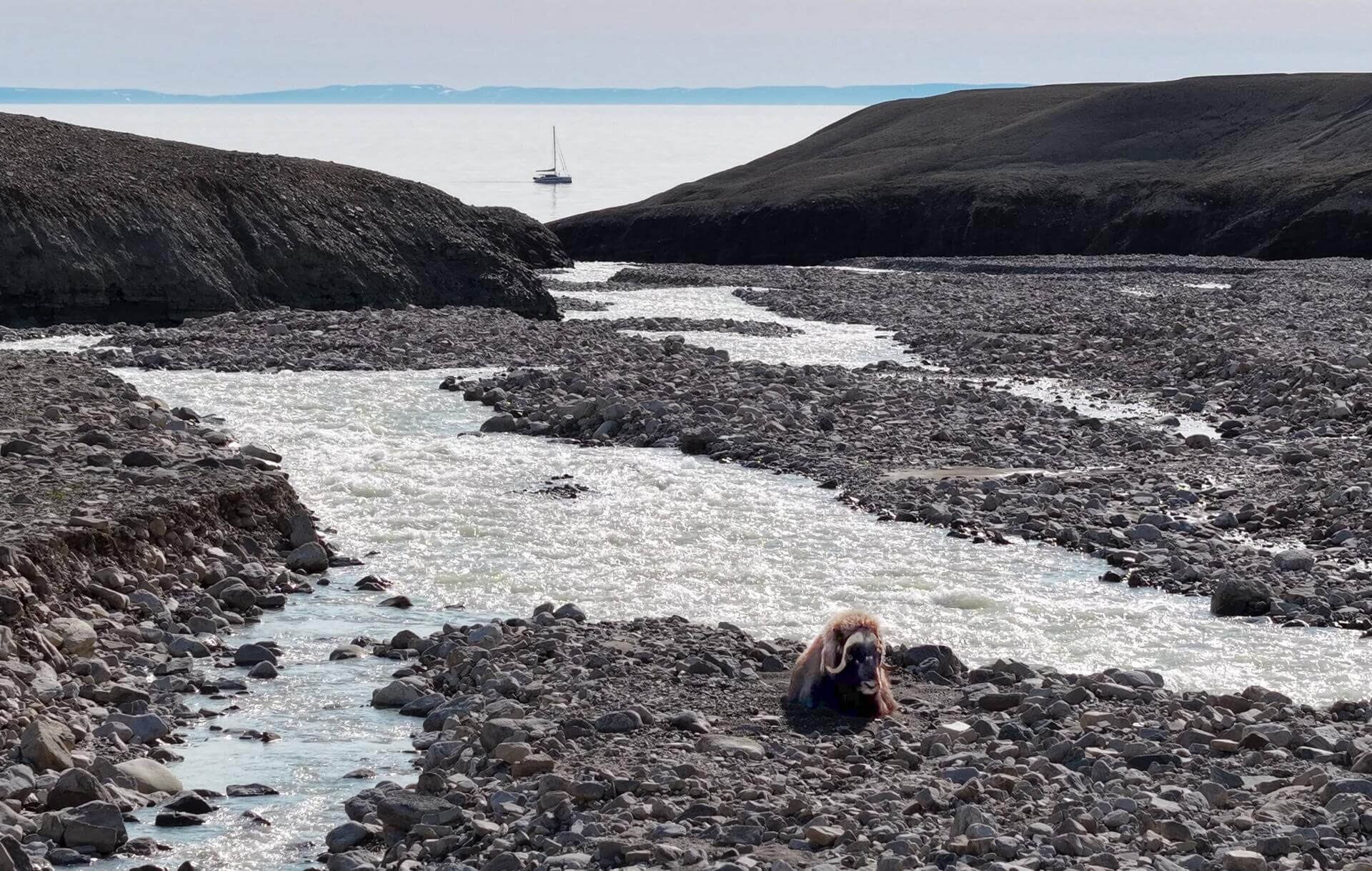
When Hafiz arrived, Vanuily was already anchored in Burnett Inlet. Their routes continue to cross as the yachts progress west through the Canadian Arctic.
This is where Sadik’s latest published update leaves Hafiz.
As of August 8, the crew’s plan was to leave Devon Island and continue towards Fort Ross and Bellot Strait, while closely monitoring the evolution of the ice further west.
The Northwest Passage attempt is now fully underway.
But at these latitudes, progress is measured less by a fixed schedule than by the next weather window, the next ice report and the next decision.
We will continue to follow Hafiz, her Garcia Explocat 52, and her crew as they make their way west through the Arctic.
To learn more, check out Sadik's blog
Photo credit: Sadik—Hafiz's owner.